How to Choose the Right Dune Buggy for Dubai Desert Driving
Choosing a dune buggy for the Dubai desert is less about picking the boldest looking vehicle and more about matching the machine to the terrain, the driver and the kind of day planned. Sand changes constantly. A route that feels gentle in the morning can become steep, soft and technical later in the heat. A good choice starts with understanding what the buggy needs to do, not just how it looks in a photo.
The process becomes simpler when it is handled in order. Start with the driving conditions, then narrow the vehicle type, then check comfort, control and practical details. Each step has a few warning signs worth noticing before any commitment is made.
Start with the terrain you plan to drive
The Dubai desert is not one single surface. It can include firm tracks, loose sand, sharp crests, flat open areas and tight turns between dunes. Think about where the drive is likely to go and how demanding it will be. A first timer will usually benefit from a buggy that feels stable and predictable rather than one built for aggressive dune climbing.
Watch for terrain that includes steep slopes, soft sand or narrow paths. Those conditions ask more from the vehicle and the driver. If the plan includes long stretches away from marked routes, reliability and recovery support matter more than speed. If the drive is mostly on easier ground, comfort and visibility may be the better priorities.
It also helps to think about the time of day. Heat changes how both people and machines cope. Midday sand can be hotter and softer in places, while late afternoon light can make dune shapes harder to read. A sensible choice leaves room for tiredness, changing conditions and slower progress.
Decide what kind of driving suits the group
Dune buggies vary in character. Some are built for quick responses and spirited driving, while others are better suited to steady exploration. The right fit depends on who will be driving and what they expect from the outing. A mixed group needs a vehicle that is easy to understand, with controls that do not surprise a new driver.

Ask whether the drive is meant to be a relaxed desert safari, a more focused off-road vehicle experience or a chance to cover longer distances. A relaxed outing calls for calm handling and good seating. A technical route calls for stronger control, clear visibility and a driver who already understands how a buggy behaves on sand.
Watch out for a mismatch between confidence and skill. A powerful machine can feel manageable on flat ground and become difficult on a dune crest. New drivers often do better with moderate power and a forgiving layout. Experienced drivers may want more response, but even then, sand demands patience and smooth inputs.
Check the size and seating layout
Vehicle size affects comfort, balance and how easy it is to place the buggy on a dune. Two seat and four seat layouts suit different plans. A smaller buggy can feel more direct and may be easier for a solo driver or a pair to manage. A larger buggy gives more room for passengers, but it also needs more space around it and may feel heavier on tight turns.
Look at the seating position, not just the number of seats. Drivers need a clear view ahead and enough room to steer without feeling cramped. Passengers need secure seating and enough support for uneven ground. If the seats feel narrow or awkward before the drive even begins, that discomfort will grow over a long route.
Pay attention to how people fit with safety gear on. Helmets and other safety gear can make seating feel tighter than expected. Taller passengers may need more legroom, while children need seats that suit their size. A buggy that looks spacious in a line may still feel crowded once everyone is properly equipped.
Look closely at control and driver aids
Good control matters more than raw capability. Steering should feel clear, pedals should be easy to judge and the driving position should help the driver read the sand ahead. On dunes, small corrections often work better than sudden moves. A buggy that responds smoothly gives the driver a better chance of staying composed.
Check whether the controls feel natural for the driver. Some people adapt quickly to an all-terrain vehicle style layout, while others need time. If the driver has little off-road experience, choose something that does not demand constant adjustment. Confidence comes from knowing what the vehicle will do before it does it.
Watch for worn or vague controls. Loose steering, stiff pedals or confusing switches can spoil the drive and create avoidable risk. If anything feels uncertain, ask for clarification before proceeding. Mechanical faults are not a do it yourself repair job. Problems with steering, brakes or other core systems should be handled by a qualified professional.
On dune-buggy-dubai.net, the focus is on helping readers think clearly about the vehicle choice before the desert day begins. That means comparing practical features, not chasing the most dramatic specification on paper.
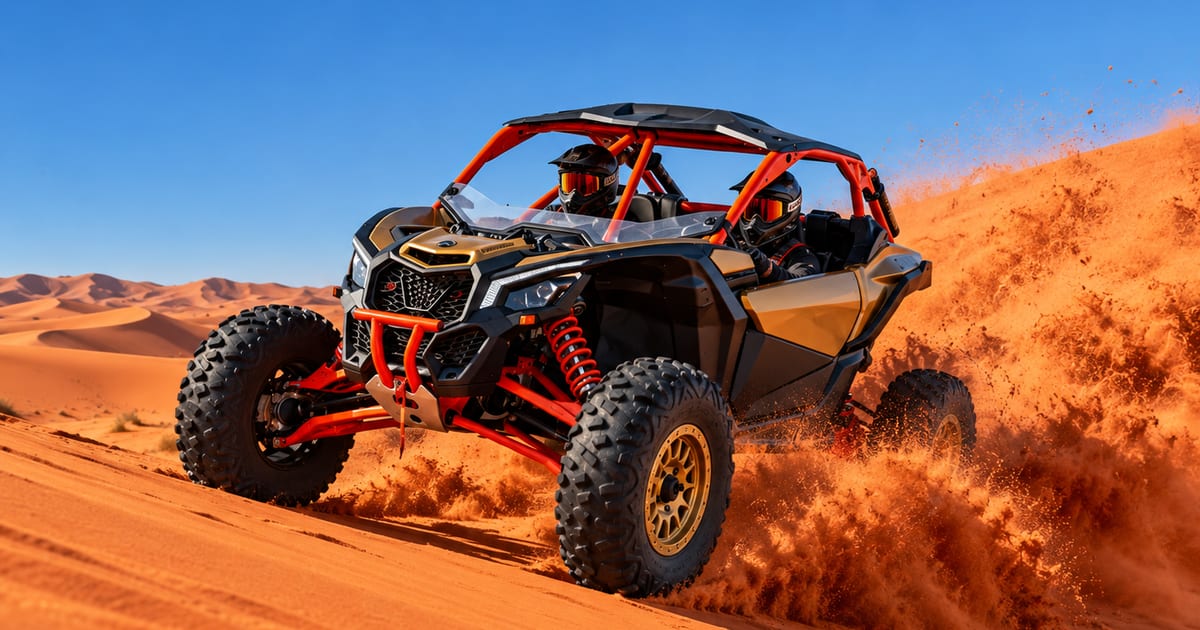
Match safety gear and route expectations
Safety gear is part of the decision, not an afterthought. Helmets, gloves, eye protection and suitable clothing all affect comfort and control. Sand, dust and bright light can make a drive harder to read, so eye protection deserves real attention. Loose clothing can catch on controls or surroundings, while open footwear offers little protection around a vehicle.
Ask how the route is managed and what support exists if the drive changes. A guided tour may suit a first visit because the route is planned around the group and local conditions. A self guided plan asks for more preparation, including navigation, communication and a realistic understanding of what happens if the buggy stops.
Watch for vague answers about safety expectations. Clear information helps a driver prepare. Uncertainty about helmets, route boundaries or recovery arrangements is a sign to slow down and ask more questions. A good choice supports a calm day, not a rush to get moving.
Compare comfort for the whole drive
Comfort affects concentration. A buggy with harsh suspension, poor seating or limited shade can wear down a group quickly. The Dubai desert can feel exciting at first and tiring after sustained driving. Seats, suspension, visibility and noise all shape how enjoyable the route feels over time.
Suspension is especially important on a sand dune. It helps absorb bumps and keeps the vehicle steadier when the surface changes. A buggy that feels lively on smooth ground may become tiring on rough patches. If passengers will spend a long time onboard, prioritize a stable ride over sharp acceleration.
Noise is another detail people often underestimate. Engine and wind noise can make conversation difficult and add to fatigue. That does not mean the quietest vehicle is always best, but it does mean the driving experience should feel manageable. A driver who can hear instructions and stay relaxed will usually make better decisions.
Understand the rules and limits before choosing
Desert driving is not the same as driving on a public road. Routes, speed, stopping points and passenger arrangements all need to suit the setting. Before choosing a buggy, become clear about where it can be driven and what conduct is expected. A vehicle that fits the rules will be far easier to enjoy than one that encourages risky decisions.
Ask about route limits, passenger rules and any requirements linked to the drive. If the answer is unclear, take that as a practical warning. A responsible choice respects the environment and keeps the outing within the driver's ability. The desert rewards smooth driving and patience, not shortcuts.
It is also wise to keep the plan flexible. Wind, heat and soft sand can change the feel of a route. A buggy chosen with some margin for comfort and control gives the group more room to adapt. That matters more than arriving with a perfect plan that only works in ideal conditions.

Make the final comparison in a practical order
By this stage, the choice should be much clearer. Put the main points side by side in the same order each time so that one impressive feature does not hide a weaker area. A balanced decision is usually better than a decision driven by power, appearance or capacity alone.
When comparing options, keep the judgment simple. The best dune buggy is the one that fits the route, suits the driver, carries the group comfortably and supports safe conduct throughout the drive. If one of those pieces feels wrong, the outing becomes less relaxed.
- Terrain: match the buggy to firm tracks, soft sand, dunes and the expected route length.
- Driver: choose controls and power that suit the driver's experience, not just their enthusiasm.
- Group: check seating, legroom and comfort with safety gear in place.
- Safety: confirm helmets, eye protection, route expectations and support arrangements.
- Balance: favour smooth handling and reliability over speed alone.
A careful choice makes the desert feel more welcoming. Instead of adapting to surprises, the group can focus on the route, the light and the changing shape of the dunes. The right buggy does not need to be the most extreme option. It needs to be the one that lets everyone travel with control, comfort and respect for the environment.
Before settling on a final option, review the decision once more in plain terms. Can the driver handle it on the planned terrain? Does every passenger fit properly? Is the route suitable for that vehicle and that level of experience? Are the safety arrangements clear? If those answers feel steady, the choice is likely a sound one. dune-buggy-dubai.net can then be a useful reference point for readers who want to keep the decision practical and focused on the drive itself.